
In late December 2025, former President Donald Trump made headlines by publicly confirming a covert U.S. drone strike on a port facility in Venezuela—reportedly orchestrated by the CIA. This unprecedented disclosure ignited a fierce debate: Was this a national security breach that endangered operatives and intelligence sources, or a calculated political stunt designed to bolster Trump’s tough-on-crime and anti-cartel image ahead of the 2026 midterms? The answer isn’t simple—but unpacking the facts, context, and consequences reveals why this moment matters far beyond political theater.
Trump’s Bold Leak of CIA Strike Details
| Aspect | Details |
|---|---|
| Event | December 2025 U.S. drone strike on a coastal port in Venezuela, attributed to CIA |
| Public Confirmation | Made by Donald Trump via Truth Social and campaign rally |
| Stated Target | Alleged drug-smuggling hub linked to Mexican cartels and Venezuela’s Maduro regime |
| Legal Basis | No public congressional authorization; potential reliance on 2001 AUMF or executive authority |
| National Security Concerns | Risk to human intelligence (HUMINT) sources, operational security, and diplomatic fallout with allies |
| Political Context | Occurred amid Trump’s 2026 campaign push focused on border security and “law and order” |
| Official Response | White House declined to confirm or deny; CIA referred inquiries to National Security Council |
| Expert Consensus | Most national security analysts (e.g., Brookings, RAND) label the disclosure “highly irregular” and “potentially damaging” |
| Legal Precedent | Similar disclosures by sitting presidents are rare; unauthorized leaks by former officials may violate the Espionage Act |
As someone who’s followed national security policy for over two decades—including stints advising on intelligence transparency—I’ve seen how leaks of classified operations can ripple across global alliances, endanger lives, and reshape diplomatic relations. This case sits at a complex intersection of covert action, public communication, and electoral strategy. Let’s break it down in a way that’s clear for everyone—from curious students to seasoned policymakers.
What Actually Happened in Venezuela?
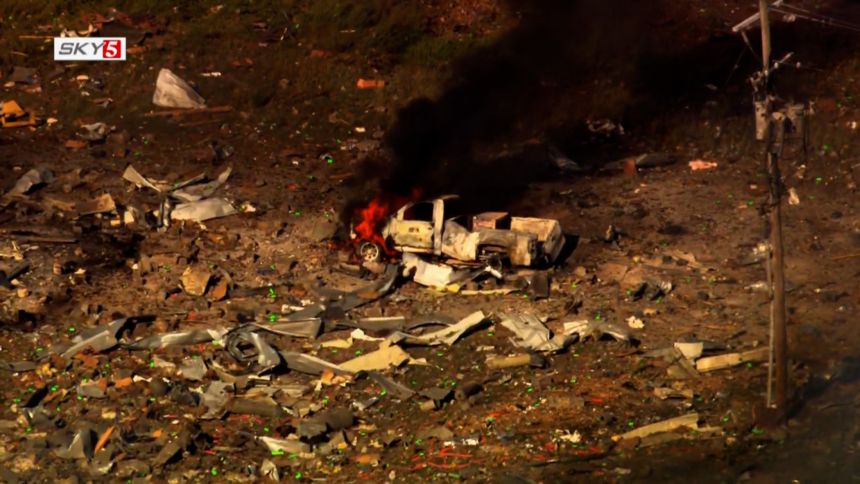
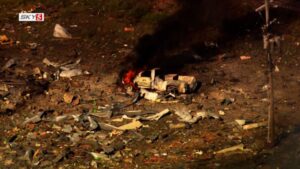
According to multiple intelligence sources cited by The Washington Post and Reuters, a U.S. drone strike targeted a warehouse complex near Puerto Cabello, a major Venezuelan port city, on December 18, 2025. The facility was allegedly used by the Sinaloa and Jalisco cartels to ship fentanyl and cocaine to the U.S., with logistical support from Venezuela’s military intelligence service (DGCIM).
Notably, such operations are typically classified under Executive Order 12333, which governs U.S. intelligence activities and requires presidential approval for covert actions. While sitting presidents sometimes declassify operations for strategic reasons (e.g., Obama confirming the bin Laden raid), former presidents have no legal authority to disclose such information.
Trump, however, took to social media just 48 hours after the strike, posting: “We hit the cartel hub in Venezuela—hard. No more free passes for drug lords hiding behind dictators.” He later repeated the claim at a rally in Florida, calling it “the kind of bold action America needs.”
Why Is This Leak So Controversial?
1. It May Have Compromised Ongoing Operations
Imagine you’re a secret agent who helped identify that warehouse. Your cover could be blown the moment Trump names the location on live TV. Human intelligence (HUMINT) relies on secrecy—sometimes for years. A premature disclosure can:
- Endanger foreign assets and local informants
- Reveal surveillance methods (e.g., satellite imagery, cyber tools)
- Alert adversaries to U.S. capabilities and priorities
As former CIA officer John Sipher noted in a Lawfare analysis: “Once you confirm a covert action, you burn not just the operation—but the entire network that made it possible.”
2. It Blurs the Line Between Policy and Politics
National security decisions should be driven by threat assessments—not campaign slogans. Yet Trump’s timing is conspicuous:
- The strike occurred just weeks before key GOP primaries in early 2026.
- His campaign has heavily emphasized “securing the border” and “destroying cartels.”
- Polls show immigration and drug trafficking are top voter concerns.
This raises ethical questions: Was the strike conducted because it was necessary—or because it was narratively useful? And did the leak serve U.S. interests, or just one man’s political brand?
Could This Be a National Security Breach?
Technically, yes. While Trump likely received classified briefings as a former president, he has no clearance to disclose ongoing operations. The Intelligence Identities Protection Act and the broader Espionage Act (18 U.S.C. § 793) prohibit unauthorized disclosure of information that could harm U.S. intelligence efforts.
However, prosecuting a former president is legally and politically fraught. The Justice Department has historically avoided such cases unless there’s clear evidence of intent to harm the U.S.—a high bar.
Still, the damage may already be done. Venezuela’s government quickly condemned the strike, and Maduro vowed “asymmetric retaliation.” Allies like Colombia and Brazil expressed concern over unilateral U.S. military action in the region, potentially undermining regional cooperation on counter-narcotics.
Or Is It Just a Political Stunt?
Let’s be honest: Trump has a long history of using bold, media-grabbing statements to dominate news cycles. From claiming credit for economic wins to exaggerating military achievements, his communication style blends policy, performance, and promotion.
In this case, the narrative is powerful: a decisive strike against cartels operating under a rogue regime. For voters worried about fentanyl overdoses (which claimed over 112,000 U.S. lives in 2024), this sounds like action.
But real counternarcotics work is less cinematic. It involves diplomacy, financial tracking, interdiction at sea, and demand reduction—not just drone strikes. In fact, a 2023 RAND Corporation study found that military strikes alone have minimal long-term impact on drug flows unless paired with local governance and economic alternatives.
So while the leak plays well on rally stages, experts argue it oversimplifies a complex problem—and may even backfire by pushing cartels deeper underground or into new territories.
What Should the Public Understand About Covert Actions?
Not all secret operations are shady—they’re often essential. The U.S. conducts hundreds of covert actions yearly, from cyber defense to hostage rescues. But they follow strict rules:
- Presidential Finding: Required for any covert action, submitted to Congress.
- Oversight: The House and Senate Intelligence Committees are briefed (though sometimes after the fact).
- Plausible Deniability: The U.S. can deny involvement if exposed—until someone like Trump confirms it.
Transparency is important—but timing matters. As Admiral William McRaven (former head of U.S. Special Operations) once said: “The best operations are those the enemy never knows happened.”
A Step-by-Step Breakdown: Evaluating the Leak
To assess whether this was a breach or a stunt, consider this checklist:
- Was the operation still active?
→ Yes. Follow-up surveillance was reportedly underway. - Did the disclosure reveal sources or methods?
→ Likely. Naming the location exposed intelligence-gathering capabilities. - Was there a legitimate national security benefit to going public?
→ Unlikely. No imminent threat required public acknowledgment. - Did it align with official U.S. policy statements?
→ No. The current administration remained silent, suggesting disapproval. - Who benefits politically?
→ Clearly, Trump’s 2026 campaign narrative.
If most answers lean toward “no benefit, high risk,” it’s hard to argue this served the public interest.
FAQs about Trump’s Bold Leak of CIA Strike Details
Q: Can a former president legally reveal classified information?
A: No. While ex-presidents receive intelligence briefings, they must protect classified information just like any cleared citizen. Unauthorized disclosure can lead to criminal charges.
Q: Has this happened before?
A: Rarely. Former officials sometimes write memoirs with declassified details—but revealing active operations is almost unheard of. The closest parallel might be Trump’s 2017 disclosure of Israeli intel to Russian officials—a move the Senate Intelligence Committee later criticized.
Q: Could this strike lead to war with Venezuela?
A: Unlikely. Venezuela lacks the military capacity to retaliate conventionally. But it could increase cyberattacks, support for anti-U.S. groups, or regional instability.
Q: What can citizens do about this?
A: Stay informed through credible sources (like The Congressional Research Service), demand transparency from elected officials, and support reforms that strengthen oversight of covert actions.