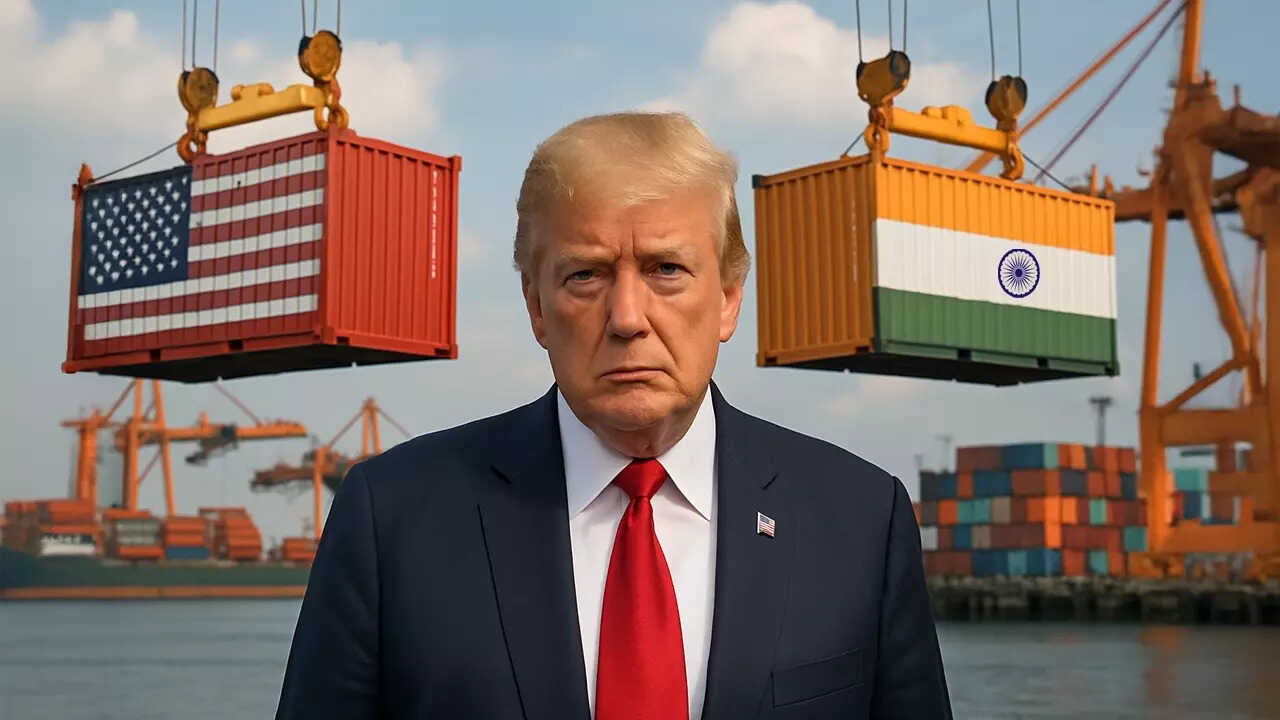

Nvidia stock is back in the spotlight after a major U.S. trade policy shift allowed AI chip sales to China. With export restrictions lifted for the Nvidia H20 chip, the company stands to regain billions in revenue while reinforcing its position in the global AI chip market.
This development not only boosts Nvidia stock but also has wider implications for AI innovation, semiconductor supply chains, and U.S.-China tech relations.
Why Nvidia Stock Is Surging
Nvidia, the world’s leading AI chipmaker, had been restricted from selling its advanced AI chips to China. Initially blocked under Trump-era policies and tightened under Biden, these restrictions prevented Chinese firms like Alibaba, Baidu, and Tencent from continuing AI projects reliant on Nvidia hardware.
After recent U.S.-China trade negotiations, the H20 chip — designed to comply with export regulations — can now be sold in China. Following the announcement:
- Nvidia stock jumped over 5% on Nasdaq
- Analysts project significant revenue recovery for FY26
This move restores investor confidence and positions Nvidia to capitalize on the growing AI chip demand in China.
The Role of the Nvidia H20 Chip
The Nvidia H20 chip is a China-compliant AI accelerator optimized for:
- Machine learning training
- Data center operations
- Large-scale language models
While slightly less powerful than the H100 or A100, the H20 allows Chinese companies to resume projects without violating U.S. export rules. This ensures that Nvidia retains market share in one of the largest AI markets globally.
U.S. Trade Policy Shift
The recent policy change reflects a quiet truce between the U.S. and China:
- Export controls on AI chips were eased in exchange for Chinese cooperation on rare-earth mineral exports
- The H20 chip, previously blocked, can now be exported
- Nvidia’s access to China strengthens semiconductor manufacturing supply chains and global AI collaboration
Treasury officials confirmed that the H20 restrictions were a bargaining tool during trade negotiations, highlighting the strategic role of tech funding schemes and export controls in global AI policy.
Implications for the Global AI Market
The resumption of H20 chip exports benefits:
- The global AI research community
- Chinese companies developing GPT-like models
- U.S. chipmakers like AMD and Intel
- Data center operators worldwide
Nvidia CEO Jensen Huang has emphasized that lifting restrictions prevents market share loss to competitors such as Huawei and supports continued AI innovation across borders.
Market Reactions
Immediately after the announcement:
- Nvidia stock rose 5%+
- AMD jumped 8.5%
- Alibaba rose nearly 6% in Hong Kong
- Hang Seng Tech Index increased over 2%
- Nasdaq futures turned sharply positive
Bloomberg estimates that Nvidia may reclaim $4–5 billion in H2 FY26 revenue, with up to $8 billion in pending Q2 orders — a potential recovery of more than $12 billion in data center revenue.
China’s Growing AI Appetite
Chinese firms like Alibaba’s Tongyi Qianwen, Baidu’s Ernie Bot, and Tencent’s Hunyuan rely heavily on Nvidia chips for AI projects. With H20 sales resuming:
- AI development in China accelerates
- Global competition in generative AI intensifies
- Nvidia solidifies its role in AI chip leadership
Nvidia’s Strategic Diplomacy
CEO Jensen Huang has actively lobbied both U.S. and Chinese officials, highlighting:
- U.S. restrictions previously slowed AI innovation
- Resuming H20 exports balances market access and compliance
- China still faces uncertainties if future export policies change
This diplomacy underscores the strategic interplay between AI innovation, semiconductor manufacturing, and global trade policies.
Implications for the Tech Sector
- U.S. chipmakers may expand operations in Asia
- China’s AI development accelerates
- Global AI platforms face increased competition
- U.S.-China tech policy will remain dynamic and impactful
This policy shift gives Nvidia a renewed opportunity to dominate in one of the world’s largest AI chip markets.
Frequently Asked Questions (FAQs)
Q1. Why did Nvidia stock rise recently?
A: Nvidia stock surged after the U.S. approved exports of the H20 chip to China, reopening a critical market.
Q2. What is the Nvidia H20 chip?
A: The H20 is a China-compliant AI chip designed for machine learning, data centers, and language model training.
Q3. Is the H20 as powerful as the H100?
A: No, it is slightly less powerful to meet U.S. export compliance requirements.
Q4. How will this impact China’s AI sector?
A: Chinese firms can resume AI projects, accelerating generative AI development and global competition.
Q5. How much revenue can Nvidia recover?
A: Estimates suggest $4–5 billion in H2 FY26 revenue and up to $8 billion in pending Q2 orders.
Final Thoughts
The U.S. decision to resume AI chip exports, including the Nvidia H20 chip, has energized Nvidia stock and strengthened global AI initiatives. By balancing trade policy, market access, and strategic diplomacy, Nvidia is now poised to reclaim market share, reinforce AI innovation, and drive growth in semiconductor manufacturing worldwide.