
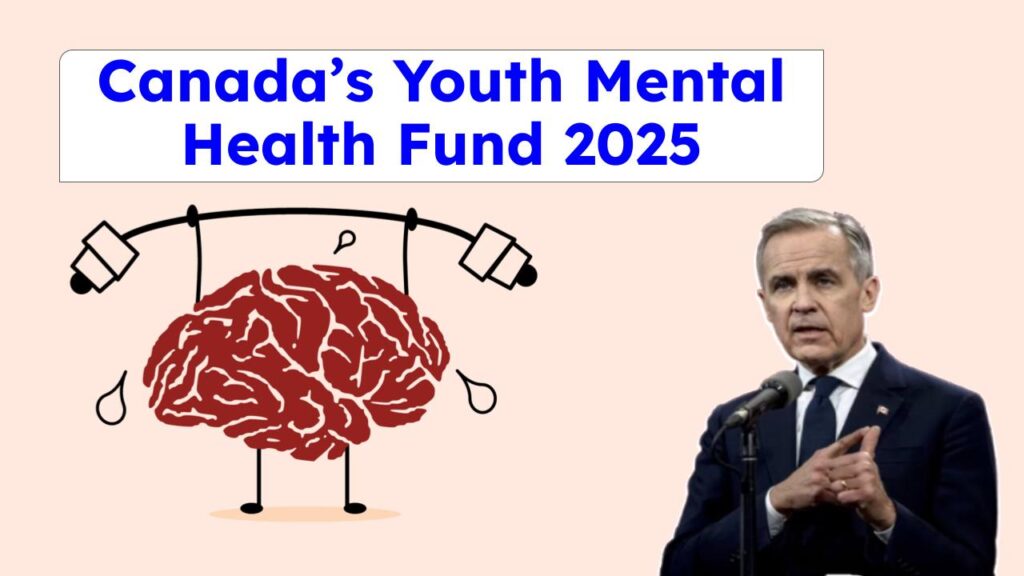
In recent years, mental health has become a topic of growing concern across Canada. With rising rates of anxiety, depression, and other mental health challenges among youth, the Youth Mental Health Fund (YMHF) 2025 stands as a beacon of hope.
This landmark initiative by the Canadian government aims to provide compassionate, community-based care tailored specifically to young people. It’s not just about funding—it’s about creating a future where every young person feels seen, heard, and supported.
Canada’s Youth Mental Health Fund 2025
| Topic | Details |
|---|---|
| What is YMHF? | A $500 million fund to improve youth mental health services through community-based programs. |
| Eligibility | Open to non-profits, Indigenous organizations, and community groups focused on youth mental health. |
| Application Deadline | – |
| Impact Goal | Reach over 1 million youth across Canada by 2026 |
| Why It Matters | 1 in 5 Canadian youth experience mental health issues; early intervention saves lives. |
The Youth Mental Health Fund 2025 represents a pivotal step toward ensuring every young Canadian has access to the mental health support they deserve. By fostering innovation, empowering communities, and prioritizing inclusivity, this initiative holds immense promise for transforming lives. Whether you’re a parent, educator, or community leader, now is the time to act. Together, we can build a brighter, healthier future for our youth.
Understanding the Youth Mental Health Crisis in Canada
Before we delve deeper into the fund itself, let’s take a moment to understand why initiatives like the YMHF are so critical.
The Growing Need for Support
Did you know that 1 in 5 Canadian youth between the ages of 12 and 24 will experience a mental health issue each year? That’s equivalent to an entire classroom of students struggling silently with anxiety, depression, or other challenges. Unfortunately, many don’t receive the help they need due to long wait times, stigma, or lack of accessible resources.
Imagine being a teenager who feels overwhelmed but doesn’t know where to turn. You might feel like you’re drowning in a sea of emotions, unsure if anyone will throw you a lifeboat. Programs funded by YMHF aim to be that lifeboat—providing timely, culturally relevant support that meets youth where they are.
Breaking Down Barriers
Mental health challenges often intersect with other systemic issues such as poverty, racism, and discrimination. For example, Indigenous youth face disproportionately higher rates of mental health struggles due to historical trauma and ongoing inequities. By prioritizing these populations, the YMHF ensures no one gets left behind.
Also Read: Canada Workers Benefit Enhancement 2025: Boost Your Income & Financial Security
What Makes the Youth Mental Health Fund Unique?
The YMHF isn’t just another grant program—it’s designed to tackle some of the biggest barriers to youth mental health care head-on. Here’s what sets it apart:
1. Community-Centered Approach
Instead of relying solely on hospitals or clinics, the fund empowers local organizations to deliver care in familiar settings. Whether it’s a school, recreation center, or online platform, services are brought directly to the places where youth already spend their time.
For instance, imagine a small town where teens gather at the local skate park. A YMHF-funded project could station peer counselors there, offering casual conversations about stress management or coping strategies. This approach reduces stigma and makes help feel less intimidating.
2. Focus on Innovation
The fund encourages creative solutions to age-old problems. From virtual therapy apps to art-based healing workshops, applicants are invited to think outside the box. One inspiring example comes from Alberta, where a grassroots organization uses music therapy to help teens express their emotions. These innovative methods resonate deeply with young people, making them more likely to engage.
3. Long-Term Impact
Unlike short-term grants, the YMHF emphasizes sustainability. Successful projects aren’t just about quick fixes—they’re about building systems that last. For example, training teachers to recognize signs of mental distress equips schools to better support students long after the initial funding period ends.
How Communities Can Get Involved
If you’re part of a non-profit, school board, or community organization, the YMHF presents a golden opportunity to make a real difference. But how do you get started?
Step 1: Assess Community Needs
Every community is unique, so begin by identifying gaps in your area. Are teens struggling with substance abuse? Is there a lack of LGBTQ+ affirming spaces? Conduct surveys, host focus groups, or partner with local leaders to gather insights.
Step 2: Develop a Strong Proposal
Once you’ve pinpointed a need, craft a proposal that aligns with the fund’s priorities. Be sure to highlight:
- Who will benefit (e.g., underserved youth, rural populations).
- What activities you’ll implement (e.g., peer mentoring, mindfulness workshops).
- How success will be measured (e.g., reduced absenteeism, improved self-esteem).
Step 3: Collaborate and Amplify
Partnerships are key to maximizing impact. Consider teaming up with schools, healthcare providers, or businesses to pool resources and expertise. For example, a tech company might offer pro bono app development for a digital counseling platform.
Real-Life Success Stories
To truly grasp the potential of the YMHF, let’s look at some real-world examples:
Case Study: Banff Canmore Foundation
This foundation recently launched a three-year program funded by a similar initiative. They created safe spaces for teens to discuss mental health openly while learning coping skills through outdoor activities like hiking and rock climbing. Participants reported feeling more connected and resilient.
Spotlight: Indigenous-Led Initiatives
Indigenous organizations have been trailblazers in culturally responsive care. Programs rooted in traditional practices—such as drumming circles and storytelling—are proving effective in healing intergenerational trauma. With YMHF backing, these efforts can expand even further.
Practical Tips for Parents and Educators
While the YMHF targets systemic change, individuals also play a vital role in supporting youth mental health. Here are a few actionable tips:
- Listen Without Judgment: Sometimes, all a young person needs is someone to listen. Avoid interrupting or offering unsolicited advice.
- Normalize Conversations: Talk openly about mental health at home or in classrooms. Use phrases like “It’s okay to not be okay.”
- Encourage Healthy Habits: Physical activity, proper sleep, and balanced nutrition significantly influence mental well-being.
Also Read: Canada Grocery Rebate 2025: What You Need to Know
Canada’s Youth Mental Health Fund 2025 FAQs
Q1: Who is eligible to apply for the Youth Mental Health Fund?
Non-profits, Indigenous organizations, and community groups focused on youth mental health can apply.
Q2: What happens after the application deadline?
Applications submitted by January 22, 2025, will undergo review. Successful applicants will be notified within a few months.
Q3: Can individuals apply for funding?
No, the fund is open only to organizations. However, individuals can collaborate with eligible groups to develop proposals.
Q4: How does the fund address diversity?
Priority is given to projects serving marginalized communities, including Indigenous youth, racialized groups, and LGBTQ+ individuals.