

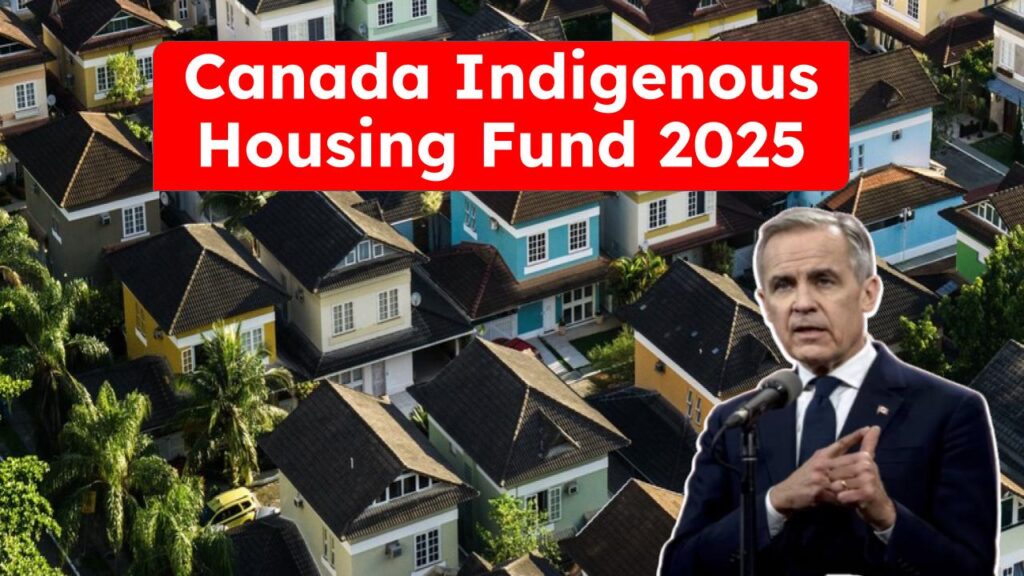
The Canada Indigenous Housing Fund 2025 is a cornerstone initiative aimed at addressing the housing crisis faced by Indigenous communities across the country. With an emphasis on collaboration, empowerment, and sustainability, this fund seeks to create culturally appropriate, affordable, and safe housing for First Nations, Inuit, and Métis peoples.
As Canada works toward its broader National Housing Strategy goals, understanding how this fund operates—and how it impacts communities—is essential for policymakers, stakeholders, and everyday citizens alike.
Canada Indigenous Housing Fund 2025
| Topic | Details |
|---|---|
| Total Funding (2025) | $14.8 million allocated for predevelopment of nine Indigenous housing projects |
| Targeted Units (2025-2029) | 1,661 new housing units planned under Budget 2024 improvements |
| Urban & Rural Focus | Métis partners aim to complete 400 new units and renovate 2,400 dwellings by end of 2024-2025 |
| Innovation Initiative | Supports First Nation, Inuit, and Métis innovators in creating housing solutions |
The Canada Indigenous Housing Fund 2025 represents a pivotal step forward in addressing one of Canada’s most pressing social issues. By combining substantial funding, community leadership, and innovative approaches, this initiative promises to transform lives while fostering reconciliation. Whether you’re a policymaker, developer, or concerned citizen, there’s a role for everyone to play in building a brighter future for Indigenous housing.
Why the Indigenous Housing Crisis Needs Attention
The Scope of the Problem
Did you know that over 20% of Indigenous households in Canada live in overcrowded conditions, compared to just 8% of non-Indigenous households? This disparity isn’t just about numbers—it’s about quality of life. Overcrowded homes can lead to health issues, hinder education, and strain mental well-being. Many remote reserves also lack basic amenities like clean water and reliable electricity, making daily life even more challenging.
The root causes of this crisis are deeply intertwined with history. Decades of colonization, forced relocation, and discriminatory policies have left many Indigenous communities without access to adequate housing resources. Today, these historical inequities persist, compounded by rising construction costs and limited funding.
Cultural Sensitivity Matters
One unique aspect of Indigenous housing is the need for culturally appropriate design. Traditional housing often incorporates elements that reflect cultural values, such as communal spaces, natural materials, and proximity to the land. Modern developments funded through programs like the Indigenous Housing Fund prioritize these considerations, ensuring that new homes not only meet physical needs but also honor cultural identity.
Read Also: Canada’s Youth Mental Health Fund 2025
How the Canada Indigenous Housing Fund Works
Step 1: Federal Funding Allocation
At its core, the fund provides financial support directly to Indigenous governments, organizations, and housing providers. For example, in 2025, the federal government announced $14.8 million specifically earmarked for the predevelopment phase of nine housing projects. Predevelopment funds help cover planning, feasibility studies, and architectural designs—steps that are critical for large-scale housing initiatives.
Step 2: Community-Led Solutions
What sets this fund apart is its focus on community-driven decision-making. Instead of imposing top-down solutions, the program encourages Indigenous leaders and residents to take charge of their housing projects. This approach ensures that the resulting homes align with local priorities and needs.
For instance, the First Nations Market Housing Fund has empowered communities to build nearly 12,000 homes since its inception, earning recognition as a 2025 National Housing Award winner for its innovative model.
Step 3: Long-Term Investment
Budget 2024 extended the Aboriginal Housing Fund (AHF) until 2028–2029, ensuring sustained investment beyond the immediate future. Over this period, the goal is to construct 1,661 new housing units, providing much-needed relief to underserved areas.
Success Stories Worth Celebrating
Vancouver’s Landmark Development
In March 2025, Vancouver broke ground on a transformative project featuring 172 affordable rental homes designed specifically for urban Indigenous populations. This development highlights the potential of partnerships between governments, private developers, and Indigenous organizations to create impactful, scalable solutions.
Métis Housing Milestones
Meanwhile, Métis partners are set to complete 400 new housing units and renovate 2,400 existing dwellings by the end of 2024–2025. These efforts demonstrate the importance of tailoring strategies to fit different regional contexts, whether urban, rural, or remote.
Practical Advice for Stakeholders
If you’re wondering how to engage with or benefit from the Indigenous Housing Fund, here are some actionable steps:
- For Indigenous Leaders:
Collaborate with federal agencies to identify funding opportunities. Leverage community input to shape housing plans that reflect cultural values and practical needs. - For Developers and Contractors:
Seek partnerships with Indigenous organizations to bring expertise and resources to the table. Prioritize hiring locally to boost economic benefits within communities. - For Advocates:
Raise awareness about the importance of Indigenous housing. Share success stories and advocate for continued government support. - For Residents:
Stay informed about available programs and apply early when applications open. Participate in consultations to ensure your voice is heard.
Read Also: Canada Workers Benefit Enhancement 2025
Canada Indigenous Housing Fund 2025 FAQs
Q1: Who qualifies for funding under the Indigenous Housing Fund?
Eligible applicants include Indigenous governing bodies, housing authorities, and nonprofit organizations serving First Nations, Inuit, and Métis communities.
Q2: How does the fund address urban Indigenous populations?
Programs like the Urban Programming for Indigenous Peoples (UPIP) complement the Indigenous Housing Fund by supporting housing initiatives tailored to urban settings.
Q3: Can individuals apply directly for funding?
Generally, no. Funding flows through organizations rather than individuals. However, individuals can participate in community consultations to influence project outcomes.
Q4: What makes the Indigenous Housing Fund different from other housing programs?
Its emphasis on self-determination and cultural relevance distinguishes it from conventional housing initiatives, which often overlook Indigenous perspectives.