
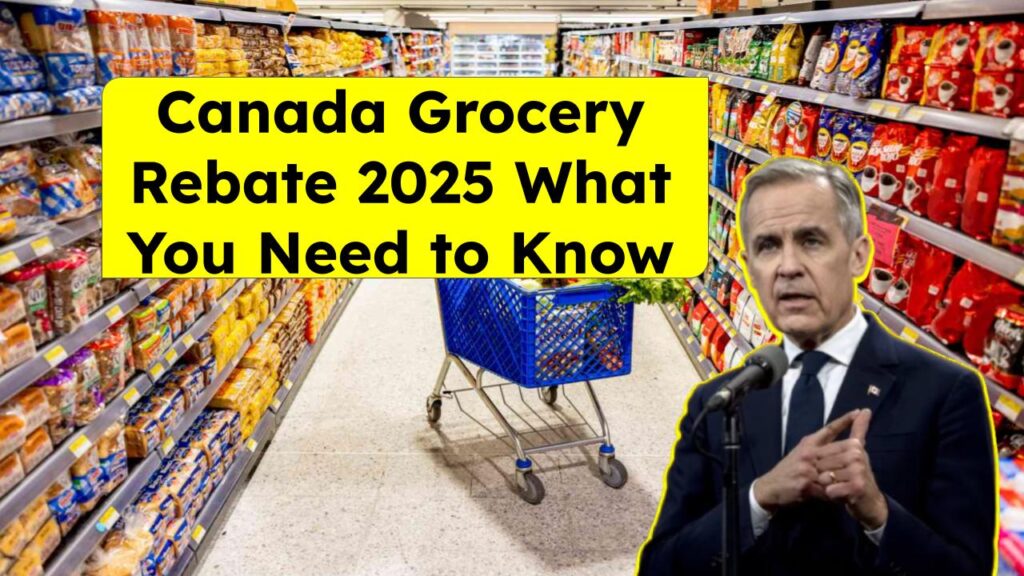
If you’ve been following government updates, you may have heard about the Canada Grocery Rebate 2025. With speculation of payments up to $628 per eligible household, this rebate is generating significant interest across the country.
Before planning how to use these funds, it’s important to understand who qualifies, how it works, and what steps you can take to ensure eligibility. This guide provides clear, actionable information on the 2025 Grocery Rebate, helping Canadians stay prepared for this potential benefit.
What is the Canada Grocery Rebate?
The Canada Grocery Rebate is a federal initiative aimed at providing financial relief to Canadians facing rising grocery costs. Unlike other programs, the rebate is automatic for eligible households, making it simple and accessible.
Key Details:
| Feature | Details |
|---|---|
| Purpose | Financial relief for grocery expenses |
| Eligibility | Households ≤ $38,000/year; individuals ≤ $32,000/year; GST/HST credit recipient |
| Payment Amount | Up to $467 (2023); potential $628 for 2025 |
| Application | No application required, automatic payment for eligible recipients |
| Government Agency | Canada Revenue Agency (CRA) |
The program leverages existing tax and benefit systems, ensuring that most Canadians who are eligible for the GST/HST credit automatically qualify for the grocery rebate.
How the 2025 Grocery Rebate Works
The 2025 Grocery Rebate is designed to provide direct financial support without requiring a complicated application process. Here’s how it works:
- Eligibility Check
The Canada Revenue Agency (CRA) reviews your tax filings to determine if you meet the income thresholds. - Payment Distribution
Eligible households receive payments via direct deposit or mailed check. - No Restrictions
Once received, the funds can be used for groceries, utilities, rent, or any essential household expenses.
This automatic approach ensures that Canadians, including retirees, low-income families, and young professionals, benefit from timely financial assistance.
Read Also: Lightning-Fast Internet for All Canadians by 2025
Breaking Down Eligibility Requirements
To ensure fairness, the Grocery Rebate targets low- to middle-income households. Let’s dive deeper into the eligibility criteria based on previous iterations:
Income Thresholds
- Single Individuals: Must earn less than $32,000 annually after taxes.
- Families/Couples: Combined household income must be below $38,000 annually.
Additional Qualifications
- You must be at least 19 years old.
- You must file your taxes regularly (even if you don’t owe anything).
- You must reside in Canada and be a GST/HST credit recipient.
These guidelines prioritize those who need assistance the most. For instance, retirees on fixed incomes or young professionals juggling student loans often benefit significantly from such programs.
Preparing for the 2025 Grocery Rebate
Although details for 2025 remain uncertain, there are steps you can take now to position yourself for success:
Step 1: File Your Taxes On Time
Filing your taxes is crucial because the government uses your tax return to assess eligibility. Missing deadlines could mean missing out on valuable benefits.
Step 2: Update Your Contact Information
Ensure your address and banking details are current with the Canada Revenue Agency (CRA). This ensures timely delivery of any payments.
Step 3: Stay Informed
Keep an eye on official announcements through trusted sources like Canada.ca or the CRA website. Scammers often exploit confusion around new programs, so always verify information before acting on it.
FAQs About the Grocery Rebate
Q: Will the 2025 Grocery Rebate actually happen?
A: As of now, there’s no confirmation. However, given the popularity of the 2023 rebate, it’s possible the government may consider extending or expanding the program.
Q: Can I apply for the rebate?
A: No—you don’t need to apply. Payments are distributed automatically to eligible recipients.
Q: What if I didn’t receive my 2023 rebate?
A: Double-check your eligibility and contact the CRA to resolve any issues.
Q: Are there provincial rebates too?
A: Some provinces, like British Columbia, have discussed similar initiatives. Always check local resources for updates.